
Google Veo
Video
Google DeepMind's text- and image-to-video model, generating high-quality clips with native audio.
make-videos
Free planView →

A text- and image-to-video generator known for realistic motion and longer clips.
One of the strongest non-Western video generators — realistic motion and generous free credits make it a favorite for creators experimenting with AI video.
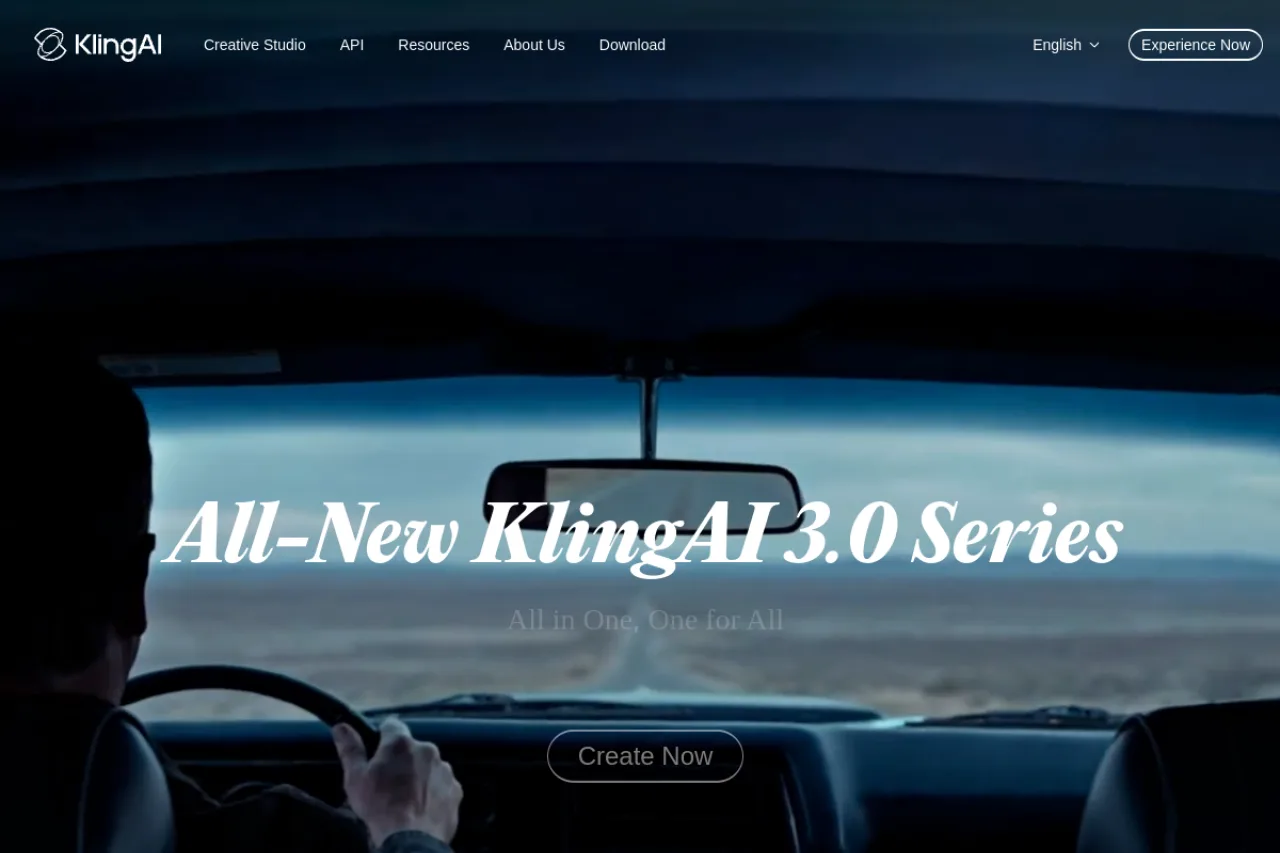
Kling AI, from Kuaishou, generates video from text prompts and still images with a reputation for realistic movement and physical consistency. It offers a credit-based free tier and paid plans for more generations and higher resolution.
Kling AI is a video-generation platform from Chinese tech company Kuaishou that turns text and images into short clips, with a strong reputation for realistic motion, physics, and character consistency. It's popular with creators because of its quality and relatively generous free credits, and paid tiers unlock longer clips, higher resolution, and faster queues. Kling competes directly with Sora, Veo, and Luma, and is frequently cited among the best options for image-to-video animation. As with all generative video, it's aimed at short creative clips rather than full productions.
Kling AI is an AI video generation platform developed by Chinese technology company Kuaishou, offering text-to-video, image-to-video, motion control, and native audio generation. It serves creators, marketers, and studios with free access at 720p (watermarked, non-commercial) and paid plans starting around $10/month that add commercial rights and higher resolutions. A developer API is also available for programmatic use.
Kling AI is built by Kuaishou Technology, a publicly listed Chinese company best known for its short-video and live-streaming platform Kuaishou (Kwai). Kling was first launched in 2024 and has iterated rapidly through versions including 2.5 Turbo and 3.0.
Kuaishou develops Kling as part of its generative AI initiatives, leveraging its large-scale video expertise, and offers the model globally through a web app and API.
Kling AI provides text-to-video and image-to-video generation, cinematic camera and motion control, a Motion Brush feature, AI digital humans, and virtual try-on, with newer versions adding native multilingual audio and multi-shot storyboarding. It supports high-definition output including native 4K in its latest releases.
The platform emphasizes character consistency and cinematic quality, and exposes a full developer API for integration into third-party workflows.
Kling AI serves social media creators, marketers, advertising and video production studios, and developers who need high-quality AI video generation with commercial usage rights, ranging from individuals on the free tier to professionals and businesses on higher-credit plans.
Creators, marketers, and video producers generating AI video clips
Individual creators, marketing teams, and production studios
Creative directors, social media managers, and developers evaluating AI video tools
Creators and studios wanting high-quality AI video with commercial rights and flexible credit-based pricing.
Kling AI is a product of Kuaishou Technology, a company publicly traded on the Hong Kong Stock Exchange; it is not separately funded. Kuaishou funds Kling's development internally as part of its AI product line, and the tool is monetized through subscription plans and API usage rather than as an independent startup.
Yes, Kling offers free credits; paid plans add more generations, longer clips, and higher resolution.
Realistic text-to-video and image-to-video animation — it's known for lifelike motion.
Both are top-tier video generators; Kling is praised for realistic motion and accessible free credits, while Sora leads on cinematic, narrative output.
Side-by-side pages for pricing, features, and best-fit use cases.
Hailuo AI (MiniMax) starts at $7.99/mo with photorealistic 1080p clips, while Kling AI scales from $10/mo with longer, extendable video. Here is how to choose.
Runway is the creative-pro favorite for motion control and editing; Kling AI delivers strong character consistency and commercial rights at a lower price. Here is how they compare.
Kling AI offers cinematic quality and commercial rights on flexible credit plans; Google Veo brings native audio and lives inside Gemini and Flow. Here is how they stack up.
Kling AI (from Kuaishou) is the value pick for pure video generation, especially image-to-video, at a competitive price. Runway costs more but gives you a full production platform: editing controls plus its own models and reported access to several others in one hub. Choose Kling for great clips, Runway for a studio. Pricing and versions shift often, so confirm with each vendor.
With Sora winding down in 2026, creators need a new home for AI video. Here is how Google Veo, Kling, and ByteDance Seedance compare on quality, audio, and price.
A hand-reviewed look at Luma Dream Machine in 2026: the Ray3 model, text- and image-to-video, camera control, pricing tiers, and how it compares to Sora, Kling, Veo and Runway.
A hands-on look at Hailuo AI, MiniMax's China-based text-to-video and image-to-video tool, covering its 2.3 model, credit pricing, strengths in motion, and how it stacks up to Kling, Sora and Veo.
Google DeepMind's text- and image-to-video model, generating high-quality clips with native audio.

Luma Labs' fast, accessible text- and image-to-video generator.
One workspace to generate video across Kling, Veo, Runway and other models
All-in-one AI studio with 100-plus tools for video, image, and audio